
Frontiers of Science took part in the discussion of the future of young engineers in Russia
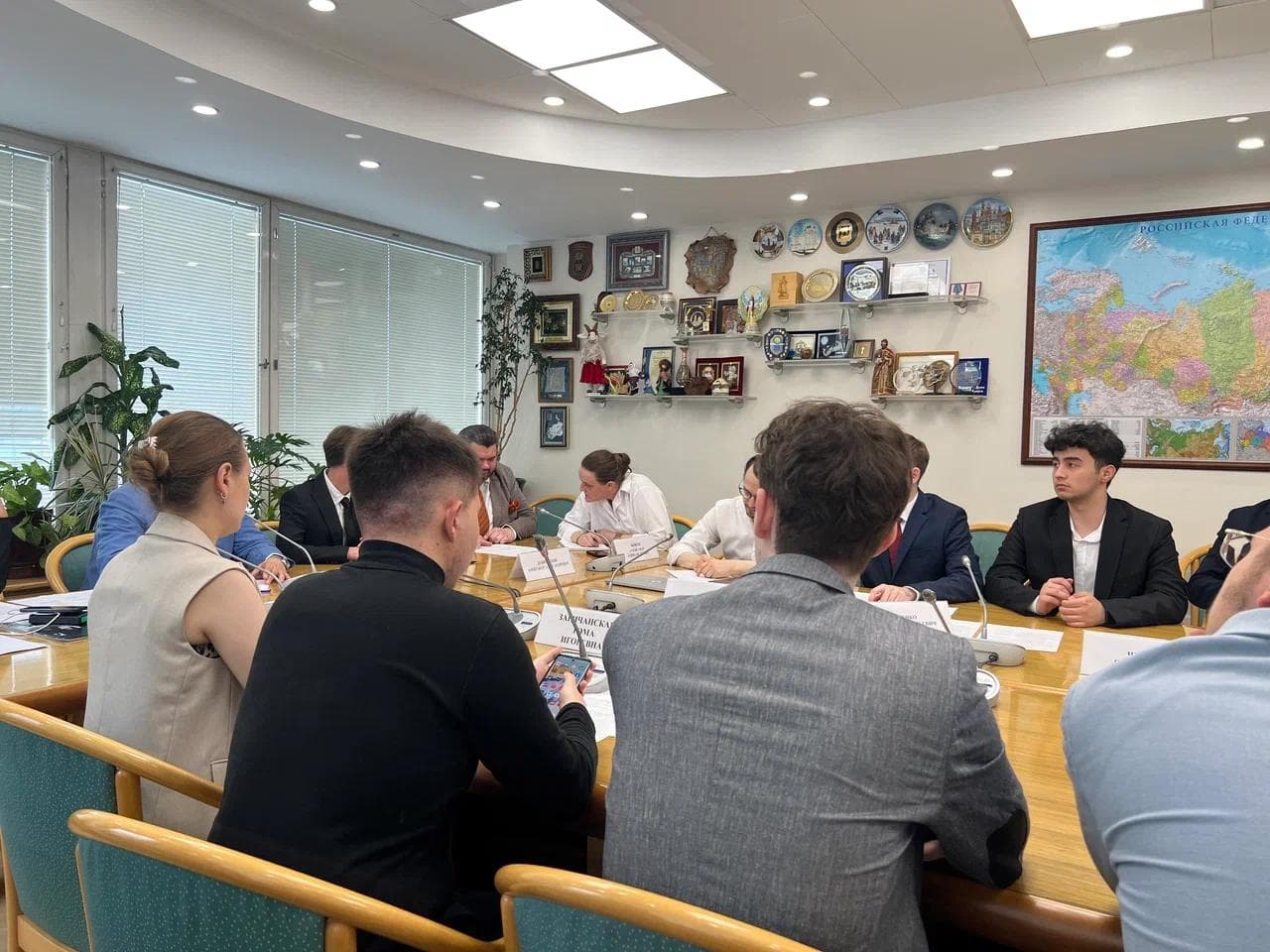
At the round table dedicated to the development of engineering personnel and the support of young professionals, experts, representatives of technology companies, the educational environment and professional communities discussed how a new generation of engineers is being formed in Russia today. One of the key topics of the meeting was mentoring — not as a formal obligation, but as a real mechanism for transferring experience, professional culture and motivation.
Alexander Borisovich Uglov, Managing Partner of the Frontiers of Science Scientific and Technological Guild, took part in the discussion .
A conference about young engineers and a new professional environment
The event was dedicated to a topical issue: how to help young engineers not only get an education, but also successfully enter the profession. The participants discussed why graduates of technical universities do not always stay in the engineering field., what barriers arise between the university and production, and what role should enterprises, mentors, and professional communities play in this process?
The main idea voiced during the discussion was that the problem of young engineers today is not only related to the level of education. Equally important is the environment that a young specialist finds himself in after graduation. If they don't have support, an understandable growth trajectory, live contact with experienced engineers , and the opportunity to learn from practice, then even strong theoretical training doesn't always help them stay in the profession.
That is why the topic of mentoring was mentioned in almost every speech.
Frontiers of Science Presentation: Engineering as a Culture of Thinking
In his speech, Alexander Uglov spoke not only about technological entrepreneurship and the development of engineering projects, but also about his personal path in the profession. He shared his memories of how, as a teenager, he first found himself in production with his father.
I saw the biggest abs in the world. And then I realized what kind of person a colossus is.
This episode became for him an important symbol of engineering — not as a set of calculations and drawings, but as a special way to look at the world, to understand the scale of human thought and work.
According to Alexandra Uglova, an engineer, is not just a specialist who knows technical tools. This is a person who can think systematically, see the connections between an idea, technology, production and the end result. Therefore, a modern engineer needs not only professional knowledge, but also developed soft skills: communication, the ability to work in a team, present their ideas, negotiate, listen to colleagues and build interaction with different project participants.
He paid special attention to the gap between the generations of engineers. Today, there are many specialists at the enterprises with vast practical experience, unique knowledge and their own technical solutions. However, the system of transferring this experience to young personnel is largely disrupted.
Alexander Uglov spoke about meetings with engineers of the older generation, who keep their own formulas, developments and engineering findings in notebooks, but often do not have an understandable mechanism to transfer this knowledge to young specialists.
The key idea of his speech was the phrase:
One mentor can keep more people in the profession than ten grants.
This thought accurately reflected the general mood of the discussion: young engineers need not only support measures, competitions and financing programs, but also living professional guidelines — people with whom to grow up.
Mentoring instead of formality
The participants of the round table came to the conclusion that mentoring should cease to be a formal item in personnel policy. It should become a part of the engineering environment — natural and permanent.
A mentor helps a young specialist not only to master specific production processes. He conveys professional culture, explains the unspoken rules of the industry, helps to cope with mistakes and see the future of development. It is this kind of support that often becomes crucial for whether a young engineer will remain in the profession.
For the "Frontiers Science" is a particularly close topic. The Guild works at the intersection of science, technology, engineering thinking and entrepreneurship, so the issue of transferring experience between generations is directly related to the development of technological projects and the formation of sustainable teams.
What did the other participants talk about?
During the event, issues of interaction between universities and enterprises, practical training of students, the role of technological entrepreneurship and the need to create understandable career paths for young professionals were also discussed.
The participants noted that engineering education should be more closely linked to the real challenges of the industry. Young professionals should see where and how their knowledge is applied, what projects they can implement, and what benefits their work brings to the economy, industry, and society.
The topic of the prestige of engineering professions was raised separately. Experts said that an engineer should be perceived not as a "technical performer", but as a creator of new solutions, a participant in the technological development of the country and a person on whom the future of industry depends.
Why is this important?
Such meetings are important not only as expert discussions. They make it possible to unite representatives of different fields — education, business, science, manufacturing, and professional associations — around a common goal: to create a strong engineering environment in Russia.
Today, the country needs not just graduates of technical specialties, but engineers who are able to create new products, develop technologies, work in teams and take responsibility for the result. This requires a system in which a young specialist is not left alone with the profession.
Performance Alexandra Uglova and the position of Frontiers of Science became an important reminder: the future of engineering is built not only on equipment, grants and educational programs. It is built on people who are ready to transfer knowledge, support the young and keep a living link between generations.
Mentoring can become the foundation that will allow young engineers not to get lost after graduation, but to become full-fledged participants in the technological development of Russia.